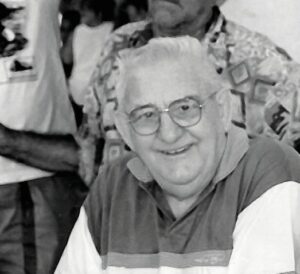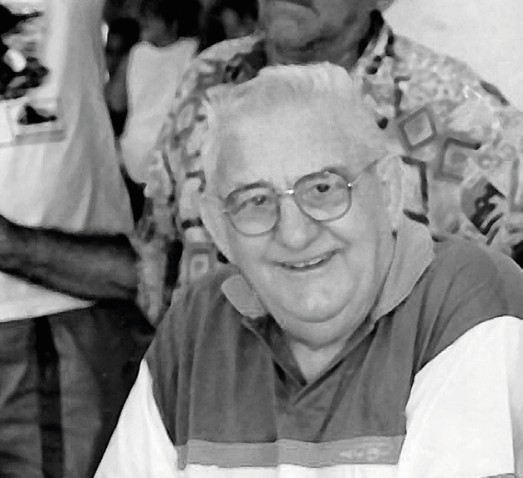
Located in the Flamengo neighborhood of Rio de Janeiro, the “Padre Aleixo Daycare Center” is a social service project of the Holy Trinity Parish, whose church is recognized in the city as an architectural work by the French architect Henri Sajous (1897–1975). The institution, which is private and philanthropic, was founded by Father Paulo Riou (1923–2017) in December 1979. The French Assumptionist missionary, with the support of the local population and the active participation of the Sisters of the Institute of Our Lady of Mercy (INSP), conceived the institution to serve needy families in the neighborhood by caring for children, from the nursery to preschool (ages 1 to 4), during their mothers’ workday.
The Daycare Center’s educational approach is governed by the Law of Guidelines and Bases for Education (LDB) 9.394/96, the Brazilian Constitution, the Statute of the Child and Adolescent (ECA), the provisions of the National Curriculum Parameters (PCN), and the National Common Core Curriculum (BNCC). Thus, great value is placed on early childhood experiences and children’s rights, prioritizing the fulfillment of basic needs for education, affection, and socialization, in a joint effort with family education and the community.
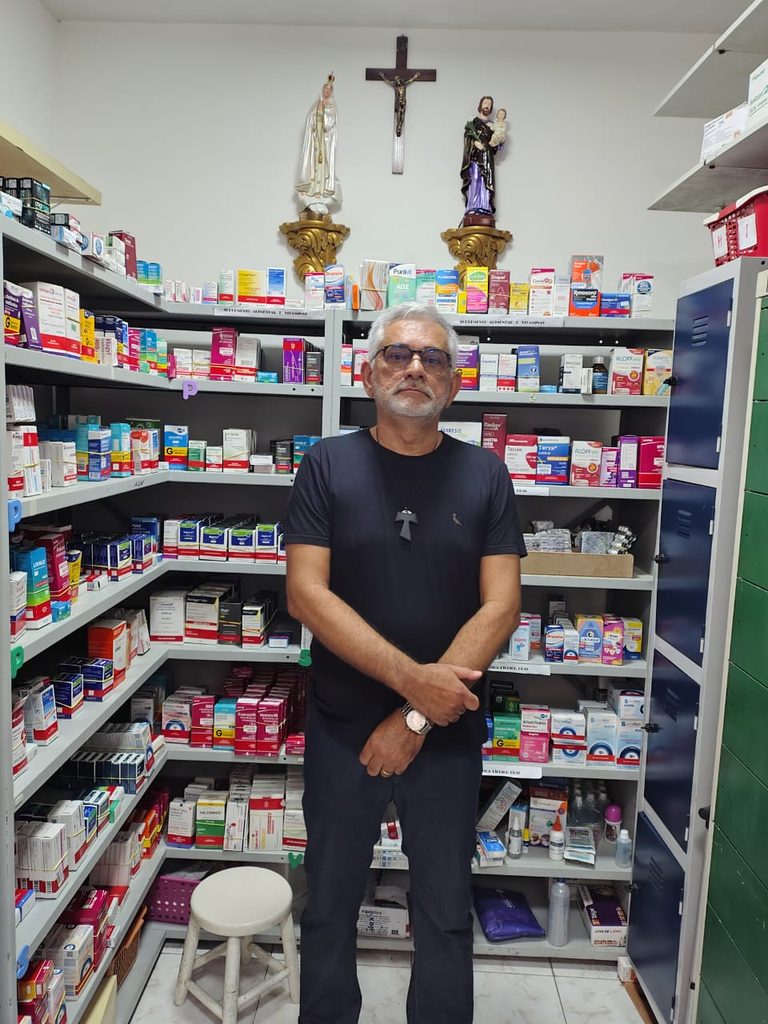
Also on the parish grounds is the “Holy Trinity Solidarity Pharmacy,” an initiative that seeks to serve about a hundred people in need from the neighborhood and surrounding areas, providing them with prescription medications and assisting with their healthcare. Donations are received from parishioners and citizens, as well as from pharmaceutical distributors and medical clinics.
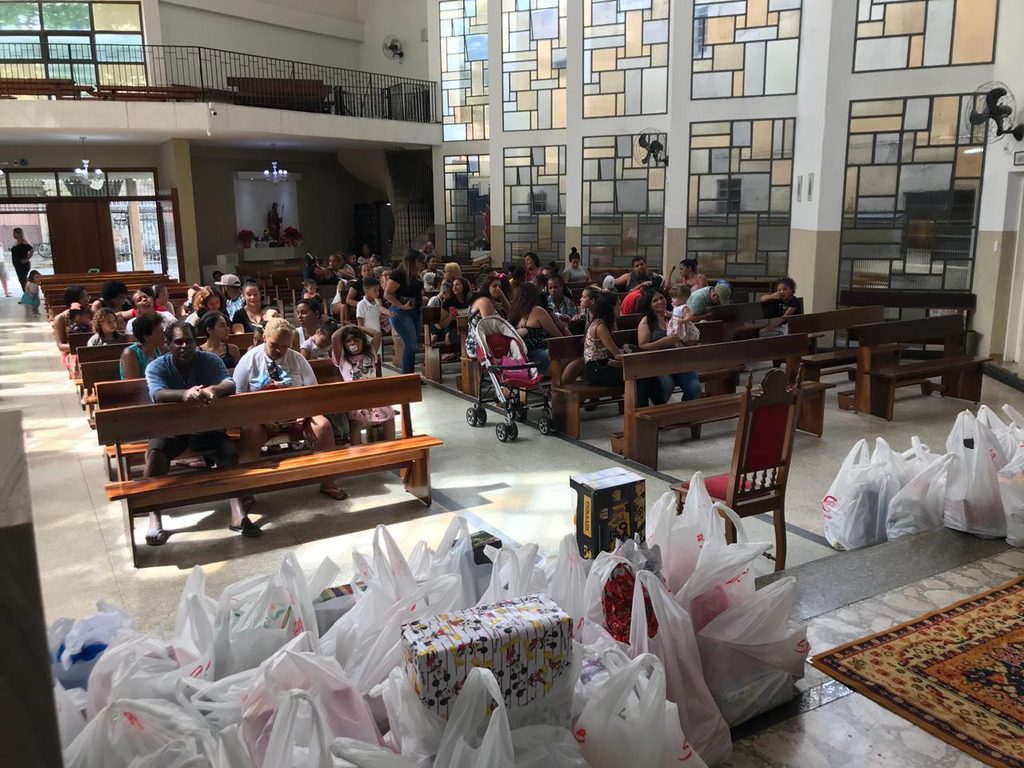
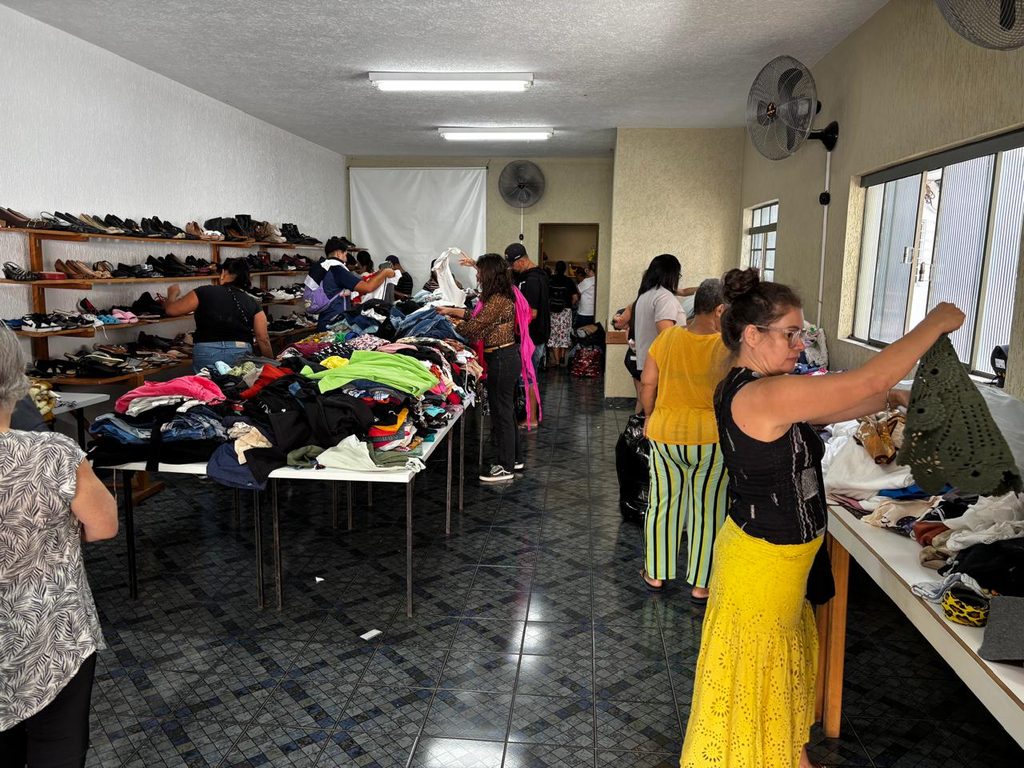
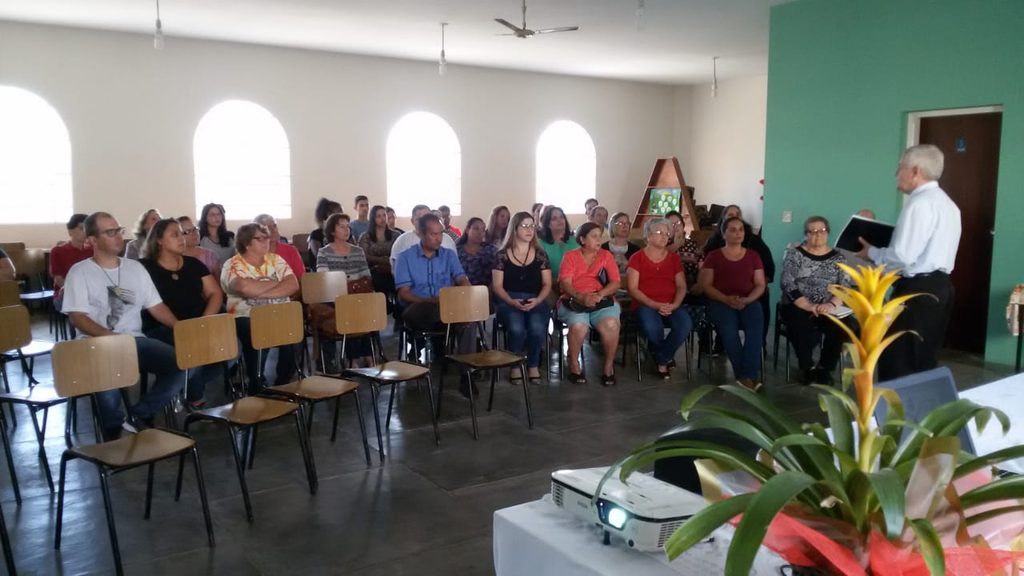
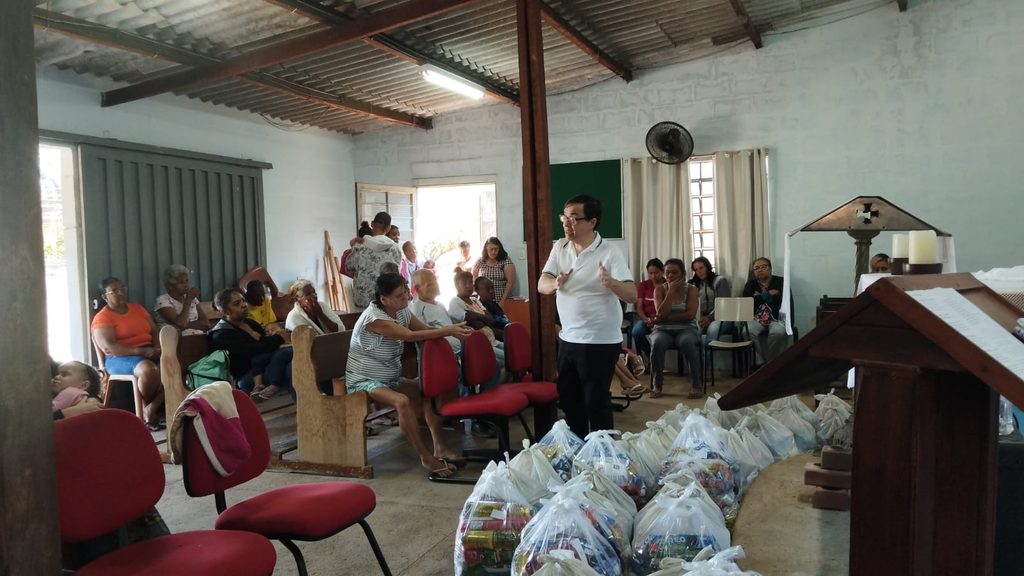
In the other six parishes of the Province, there are also various initiatives focused on, among other things, fraternal welcome, social inclusion, human and Christian formation, and the provision of charitable services. With the participation of laypeople and volunteers, and with the support and donations of the faithful, the following are organized: formation sessions and thematic meetings; courses and volunteer craft projects; distribution of food baskets; charity events featuring secondhand items (clothing, shoes, and household goods) at affordable prices; assistance to mothers in need; legal assistance, through volunteer professionals, for initial guidance in civil and labor matters.
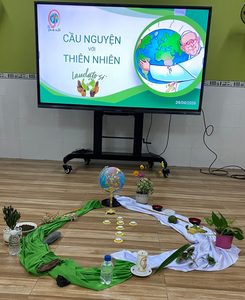
The Province is committed to gradually embracing “integral ecology” as a new paradigm of life and pastoral action, already established by the Encyclical Laudato Si. By adopting it as a cross-cutting theme in its apostolic ministries, priority will be given to care for the environment (our Common Home) in a way that is inseparable from social justice, culture, the economy, and spirituality. After all, “Everything is interconnected” (LS 92; 120).